
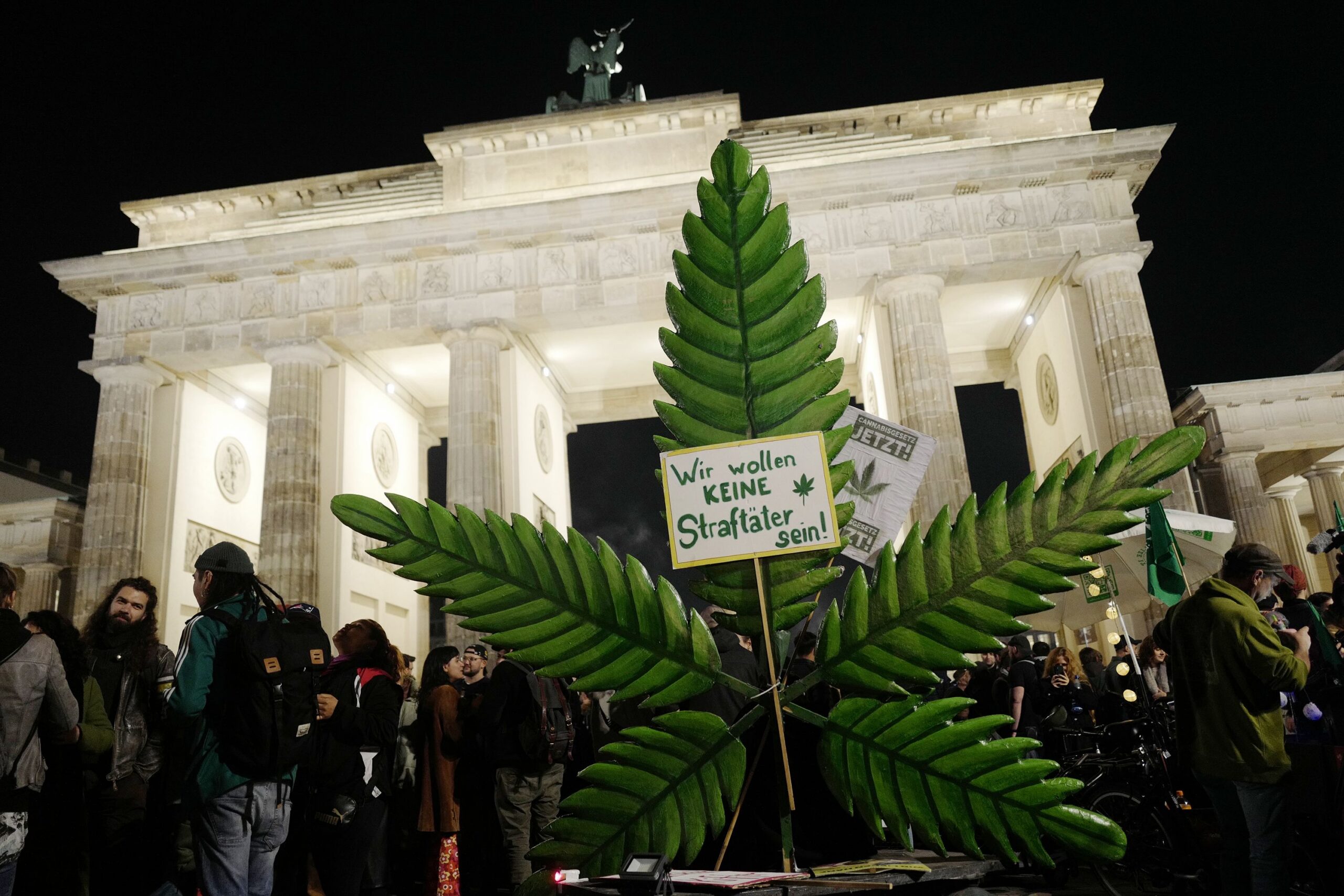
Germany’s Cannabis Legalization: A Phased Approach (2024–2026)
German cannabis legislation has undergone a major transformation between 2024 and 2026. After years of prohibition, the country has introduced a phased legalization model focused on controlled and limited access. Since April 2024, adults are allowed to possess small amounts of cannabis, and from July 2024 onwards, regulated cannabis social clubs have been permitted.
Rather than implementing full commercial legalization, Germany has taken a cautious and structured approach. The current framework is designed to test how legalization impacts public health, consumption, and the illicit market before expanding further.
Is Cannabis Legal in Germany?
Cannabis is now partially legal for adult use in Germany. Individuals aged 18 and older can legally possess cannabis within defined limits and access it through regulated channels.
However, Germany has not legalized commercial retail sales. Unlike markets such as Canada, cannabis cannot yet be purchased in licensed shops nationwide. Instead, the German model is built on three core pillars:
• Limited personal possession
• Non-profit cannabis social clubs
• An established medical cannabis system
This structure allows controlled access while maintaining strong regulatory oversight.
Current Possession Laws
Under current legislation, adults can legally possess cannabis within specific limits without facing criminal penalties.
The key thresholds are:
• Up to 25 grams in public
• Up to 50 grams at home
• Limited personal cultivation of cannabis plants
These rules apply strictly to adults. Possession and use by minors remain illegal.
Public consumption rules may vary by location. Local authorities can impose restrictions, particularly near schools, playgrounds, and youth facilities. Exceeding legal possession limits can still result in fines or other penalties.
Cannabis Social Clubs in Germany
A central feature of Germany’s legalization model is the introduction of cannabis social clubs. These are non-profit organizations that allow registered adult members to collectively cultivate cannabis and distribute it among themselves.
The clubs operate under strict regulations designed to prevent commercialization and ensure transparency. Common requirements include:
• Limits on membership numbers
• Controlled cultivation volumes
• Restrictions on advertising and profit-making
• Oversight by local authorities
This system aims to reduce reliance on the illicit market while avoiding the rapid commercialization seen in other countries. By keeping production within closed member networks, Germany seeks to balance accessibility with public health considerations.
Medical Cannabis Remains Established
Germany’s medical cannabis program, introduced in 2017, continues to operate alongside the new recreational framework. Patients can access cannabis through pharmacies with a doctor’s prescription.
Available products include:
• Dried cannabis flower
• Extracts and oils
• Pharmaceutical cannabis preparations
In certain cases, treatment costs may be covered by health insurance, depending on medical necessity. The medical system remains separate from the recreational reforms.
What Comes Next?
German policymakers view the current framework as a first phase of legalization. Future developments may include regional pilot programs for commercial retail sales and further research into market regulation.
Any expansion toward a nationwide commercial cannabis market will likely require additional legislation and coordination with European Union rules.
For now, Germany is in a transitional phase. Its model combines legal personal use with tightly regulated, non-profit distribution. As one of Europe’s most closely watched cannabis experiments, it could shape the future of legalization across the continent.