

Artificial intelligence (AI) is rapidly reshaping many industries, and the cannabis sector is no exception. From optimizing cultivation environments to improving quality control and helping consumers choose the right products, AI is becoming an important tool across the entire cannabis supply chain. As technology advances, growers, producers, and consumers are all benefiting from smarter, data-driven solutions.
AI-powered cultivation and smart grow rooms
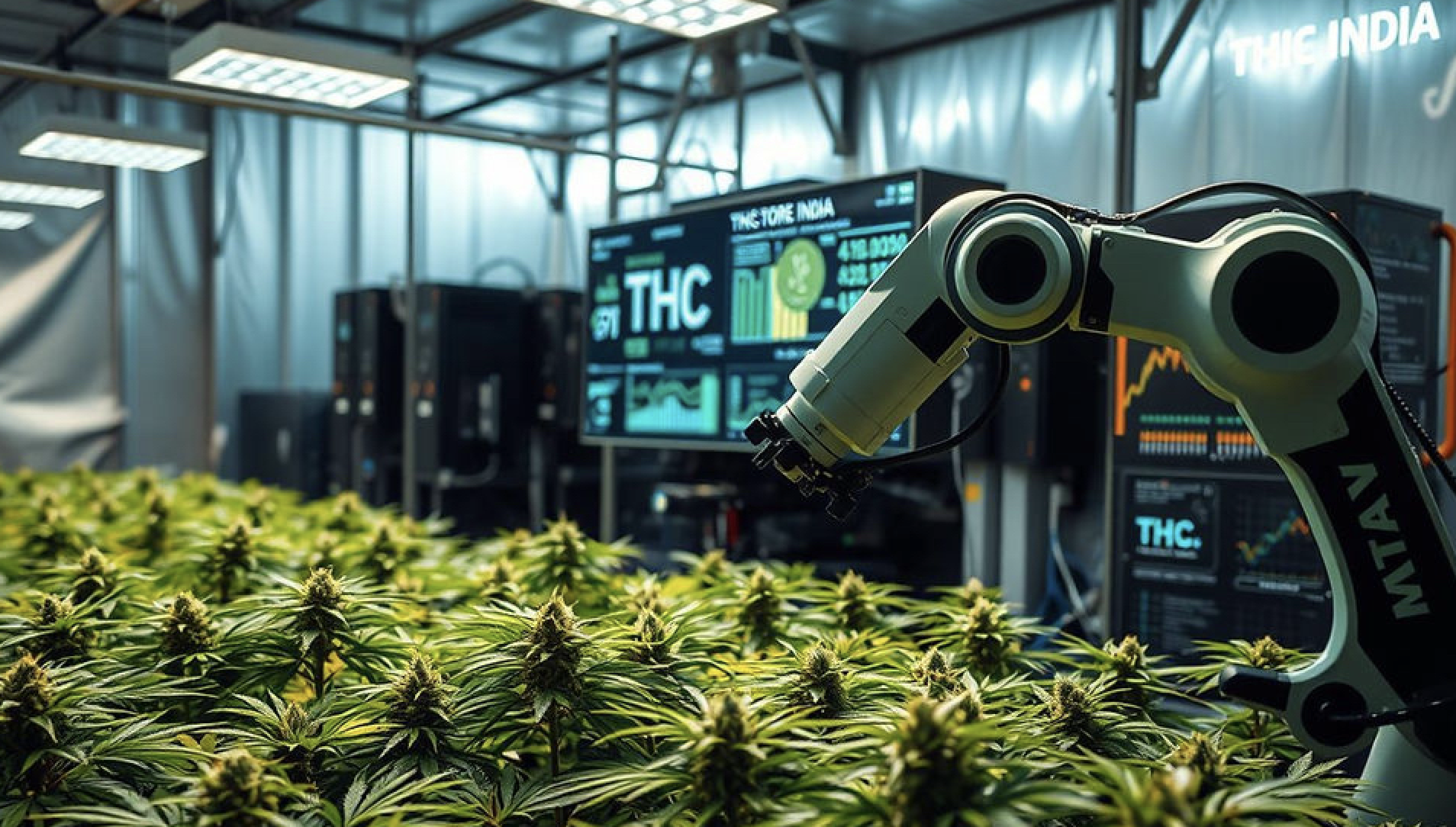
Modern cannabis cultivation increasingly relies on automation and data monitoring. AI systems can collect and analyze information from sensors that track temperature, humidity, light intensity, and CO₂ levels in real time. This data allows growers to maintain ideal conditions for plant growth throughout every stage of development.
When environmental conditions change, AI systems can automatically adjust lighting, irrigation, and nutrient delivery. This helps maintain a stable environment that encourages healthy plant growth and consistent yields.
In addition, AI can analyze historical cultivation data to identify patterns and potential problems. For example, the technology can detect early signs of plant stress, disease, or nutrient deficiencies. By identifying these issues quickly, growers can intervene earlier and prevent significant crop losses. As a result, smart cultivation systems not only increase efficiency but also reduce resource waste and improve overall crop quality.
Quality control and counterfeit detection
As the cannabis market expands, maintaining consistent product quality becomes increasingly important. AI technologies are helping producers and laboratories ensure that cannabis products meet safety and quality standards.
Through chemical analysis, AI systems can examine the composition of cannabis samples and compare them with verified profiles. This helps determine whether a product is authentic and whether it contains the expected levels of cannabinoids and other compounds.
Computer vision technology is also used to inspect cannabis buds visually. Cameras combined with AI software can detect signs of mold, pest damage, or improper curing. These automated inspections make it easier to maintain consistent quality across large-scale production.
AI can also analyze manufacturing and testing data to monitor batch consistency. By identifying variations early in the production process, companies can ensure that each batch of cannabis products meets the same standards. This strengthens consumer trust and helps maintain product reliability.
Accelerating the development of new cannabis strains
Developing new cannabis strains traditionally required years of experimentation and selective breeding. AI is now helping breeders accelerate this process.
By analyzing genetic data from existing plants, AI algorithms can identify genes linked to specific characteristics such as THC or CBD content, terpene profiles, growth patterns, and pest resistance. This allows breeders to better understand how different genetic traits influence the final product.
AI can also simulate breeding combinations and predict which parent plants are most likely to produce desired traits. As a result, breeders can focus their efforts on the most promising crosses, significantly reducing the time required to develop new varieties.
Some companies are already using machine learning models to design cannabis strains with targeted therapeutic benefits while minimizing unwanted side effects. This could be especially valuable for patients who rely on medical cannabis treatments.
Helping consumers choose the right cannabis products
The wide variety of cannabis products available today can make it difficult for consumers to find the right option. AI-powered recommendation systems are beginning to solve this problem by providing personalized suggestions.
These platforms analyze user preferences, desired effects, and previous experiences to recommend cannabis strains that are most likely to match an individual’s needs. Similar to how streaming platforms recommend movies or music, AI can guide consumers toward products they are more likely to enjoy.
Some systems also combine chemical analysis with user feedback to estimate how a particular strain might influence mood, relaxation, creativity, or pain relief. At the same time, consumers receive detailed information about cannabinoids, terpene profiles, and expected effects, making the purchasing process more transparent and informed.
The future of AI in the cannabis industry
The role of AI in the cannabis industry is expected to grow significantly in the coming years. From smarter cultivation systems to advanced breeding techniques and personalized consumer experiences, AI is helping modernize the sector.
For growers and producers, AI can lead to more efficient operations and higher-quality products. For consumers, it means easier access to cannabis products that better match their preferences or medical needs.
As technology continues to evolve, AI will likely become a key driver of innovation in the global cannabis market.