
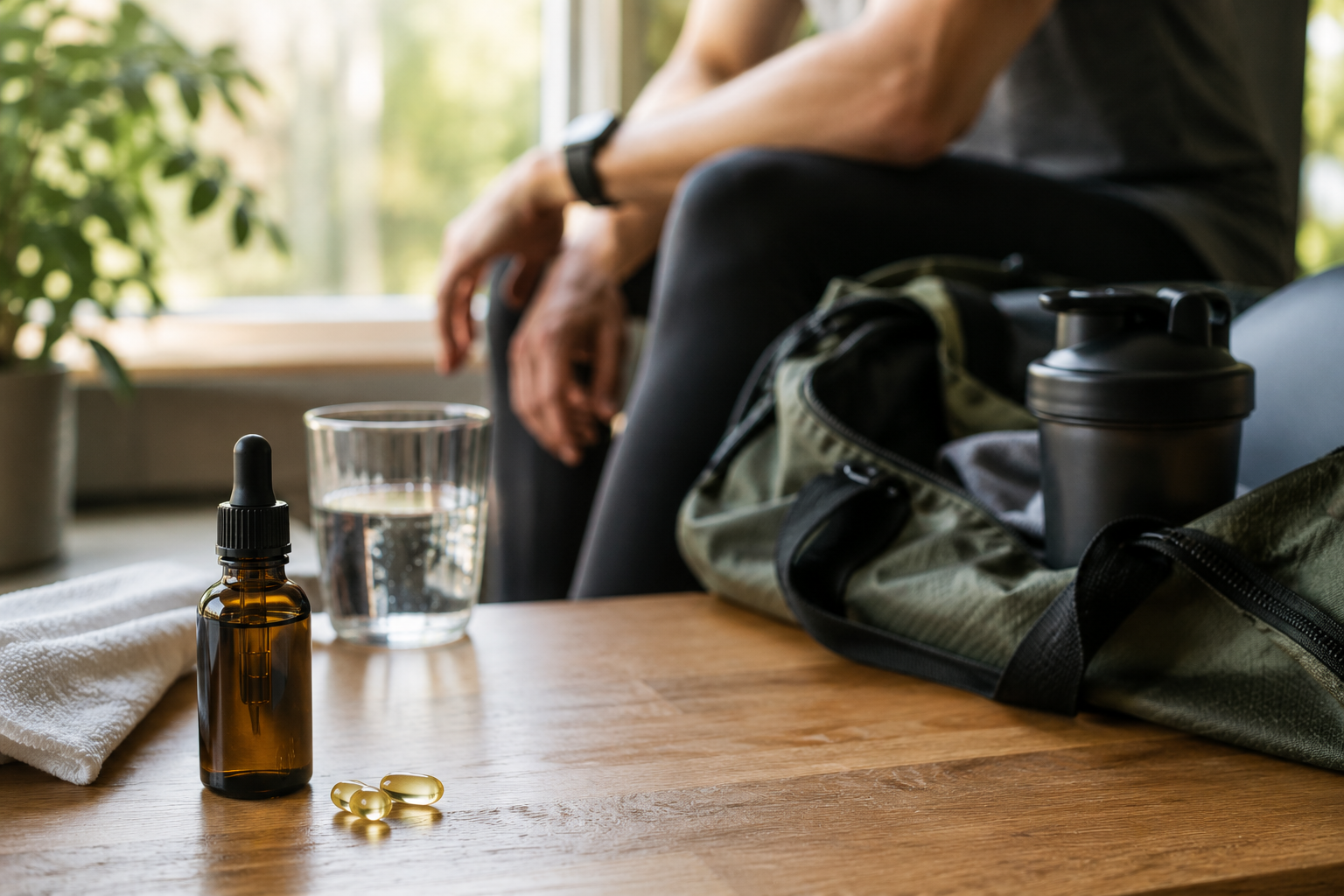
A recent study highlights how cannabidiol (CBD) is increasingly used by elite athletes to manage pain, improve sleep, and support recovery. While many Olympic-level competitors report positive effects, concerns about anti-doping regulations and product safety remain a significant issue.
Growing use of CBD among elite athletes
The study, conducted between late 2021 and mid-2023 and published in Frontiers in Nutrition, surveyed 80 Canadian high-performance athletes from 27 national sports organizations. All participants had experience competing at Olympic or Paralympic level.
Researchers found that around 38% of the athletes had used CBD at some point, and nearly one-third of those were still actively using it at the time of the survey. This reflects a broader trend in which CBD is increasingly adopted for its perceived therapeutic benefits.
Reported benefits: pain relief, sleep, and relaxation
Athletes who used CBD reported a range of physical and mental benefits. An overwhelming 96% of users believed CBD to be safe. In addition, 93% said it improved their sleep quality, while 90% reported enhanced relaxation. Around 77% indicated that CBD helped reduce pain after training sessions.
These findings suggest that many athletes view CBD as a valuable tool for recovery. Participants generally agreed that CBD supports both physical and mental recovery after intense training or competition, helping them cope with the demands of elite sport.
A complicated relationship with anti-doping rules
Despite these reported benefits, CBD use in sports remains controversial. Although the World Anti-Doping Agency (WADA) removed CBD from its list of prohibited substances in 2018, other cannabinoids—such as THC—are still banned.
This creates a challenging situation for athletes. Many commercially available CBD products may contain trace amounts of THC or other prohibited substances, even if they are labeled otherwise. As a result, athletes risk unintentionally violating anti-doping regulations.
In fact, the study found that fear of accidental doping was the most common reason athletes chose not to use CBD or decided to stop using it altogether.
Risks linked to product contamination and testing
Researchers also pointed out additional risks related to CBD consumption. Some CBD-infused foods and beverages may convert CBD into THC under certain conditions, such as low pH environments. In some cases, this could produce enough THC to trigger a positive drug test.
Moreover, physical exercise prior to testing may increase detectable THC levels in the body. These factors make it even more difficult for athletes to use CBD with confidence.
Lack of reliable information and guidance
Another key issue highlighted in the study is the lack of reliable, evidence-based information. Many athletes reported that they first learned about CBD through friends or online sources rather than through medical professionals or team staff.
This gap in knowledge increases the risk of misuse and misinformation. The researchers emphasize the need for better education for both athletes and healthcare providers, particularly regarding safe usage, product quality, and potential risks.
Shifting attitudes in the sports world
The study comes at a time when attitudes toward cannabis are evolving in professional sports. Several major organizations have recently relaxed their policies. USA Major League Baseball removed marijuana from its banned substances list in 2019, followed by the USA National Basketball Association in 2023.
In the United States, both the National Collegiate Athletic Association (NCAA) and the National Football League (NFL) have also adjusted their approaches. A 2024 NFL-funded study found that cannabis use is becoming more accepted among athletes, while also emphasizing the need for better education about its benefits and risks.
A future balancing benefits and risks
Overall, CBD appears to offer promising benefits for elite athletes, particularly in areas such as recovery, sleep, and stress management. However, the risk of contamination, unclear regulations, and limited guidance continues to create uncertainty.
For athletes, navigating this landscape requires caution. As research evolves and regulations become clearer, CBD may play a more defined role in sports performance and recovery—but for now, it remains a careful balancing act between potential benefits and professional risk.