
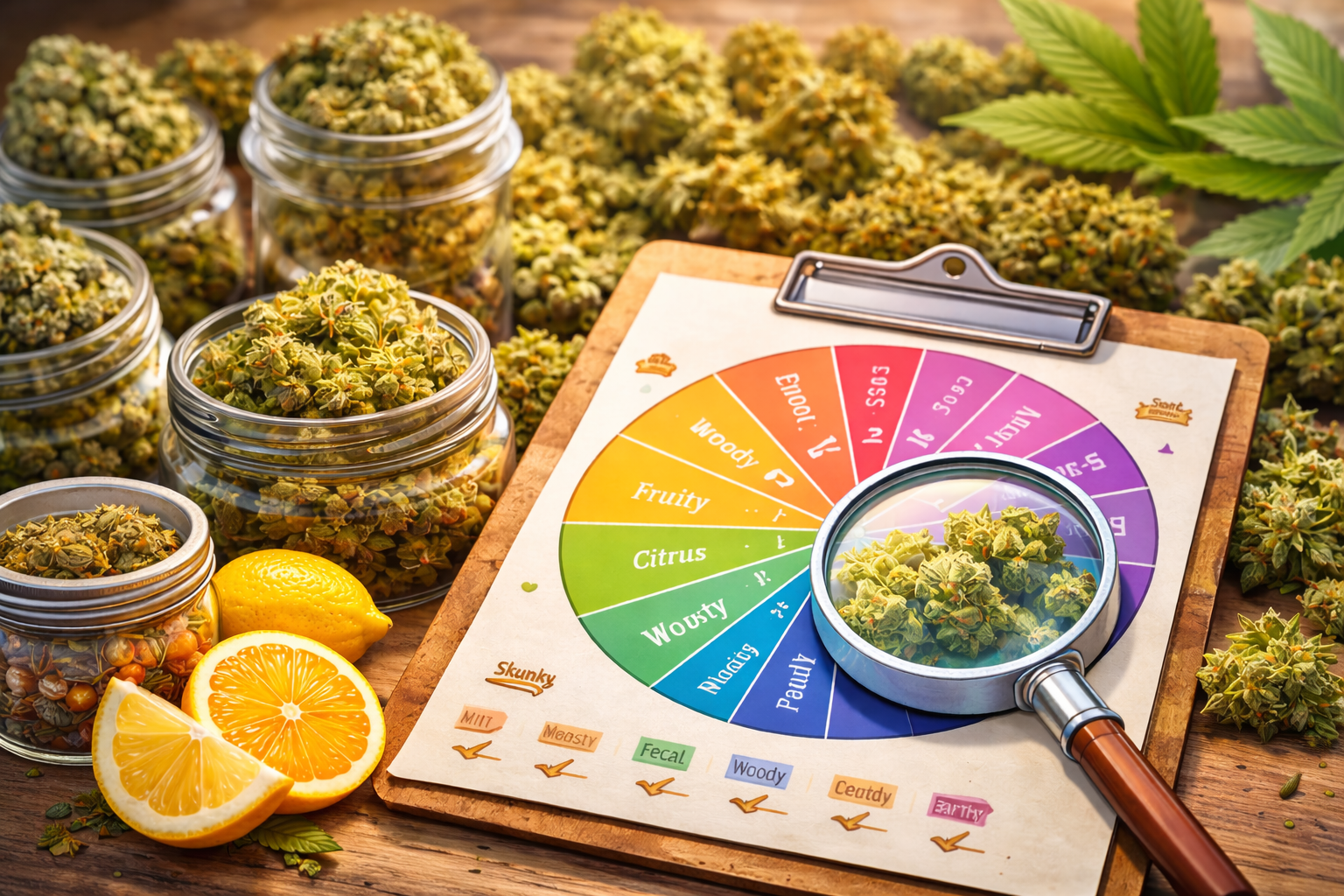
Researchers have made an important step toward creating a shared way to describe the smells of cannabis and hemp.
“Aroma is one of the main ways people judge the quality of cannabis, but until now there has been no standard way to talk about it,” said Tom Shellhammer, a food science professor at Oregon State University. “This study helps create a common language that can be useful for consumers, shops, and growers.”
The study, published in the journal PLOS One, could also have health benefits. Shellhammer explained that judging cannabis mainly by its smell could help shift attention away from just THC strength. Many people assume higher THC means better quality, but research shows very high THC can be linked to problems such as impaired driving, severe nausea and vomiting, and even psychotic episodes in some people.
Shellhammer compared the current focus on THC to judging beer or wine only by alcohol content. After alcohol prohibition in the U.S., many wines were made stronger with extra alcohol, and early IPAs were known mainly for being very strong. Over time, those industries shifted focus to taste, aroma, and ingredients instead.
Cannabis and hemp are technically the same plant species: Cannabis sativa L. The main legal difference in the U.S. is THC level. Hemp must contain 0.3% THC or less, while cannabis with higher THC is sold in regulated state markets.
How the study worked
A group of 24 people aged 21 to 70 took part in the study. Most of them already had experience evaluating smells in food or drinks. They were also asked how familiar they were with cannabis and hemp, and their answers ranged from “a little” to “very familiar.”
The panel smelled hemp samples at Oregon State University. To stay within legal rules, the cannabis samples were smelled at a local dispensary. Importantly, they only smelled the plant itself — not smoked cannabis.
The researchers created a list of 25 aroma terms to describe cannabis and hemp smells. These terms were partly based on earlier research and data from cannabis competitions in Portland between 2018 and 2020.
What they found
The study showed that hemp and cannabis often share similar smells, but with some differences:
• Cannabis was more often described as skunky, musty, or animal-like.
• Hemp was more often described as citrusy, fruity, or candy-like.
The researchers also identified four main smell profiles:
1. Fruit, berry, candy
2. Citrus and chemical
3. Cheesy and unpleasant (like vomit or feces)
4. Funky, earthy, musty, woody, nutty, or like fuel or black tea
The first three profiles were mostly linked to hemp, while the fourth was mostly linked to cannabis. The researchers believe these categories may change as more studies are done.
They also tested whether chemical compounds called terpenes could predict how something smells. Surprisingly, they found that terpenes did not reliably explain people’s smell perceptions. This matters because the cannabis industry often claims specific smells come from specific terpenes.
Shellhammer concluded: “As cannabis moves from illegal to legal, it’s important to give consumers better ways to judge quality — not just by THC or terpene lists. This research is a first step toward that.”